Skip to content
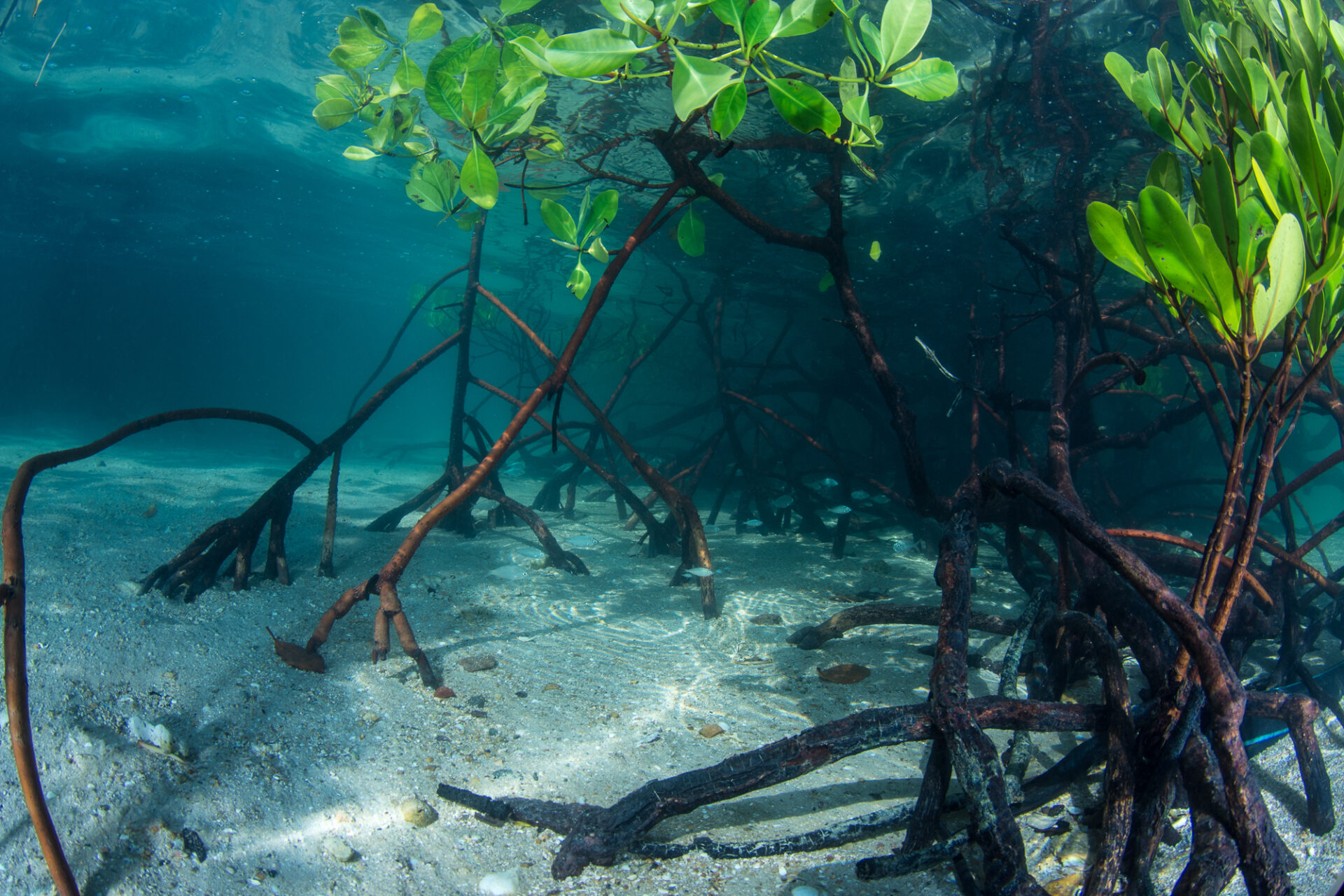
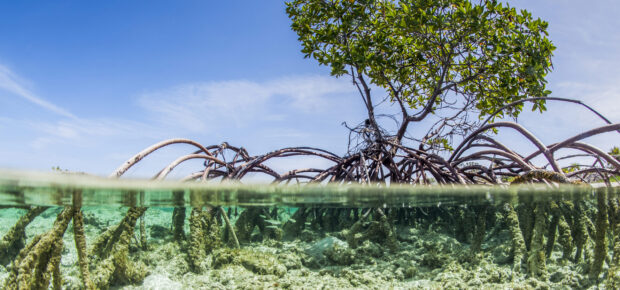
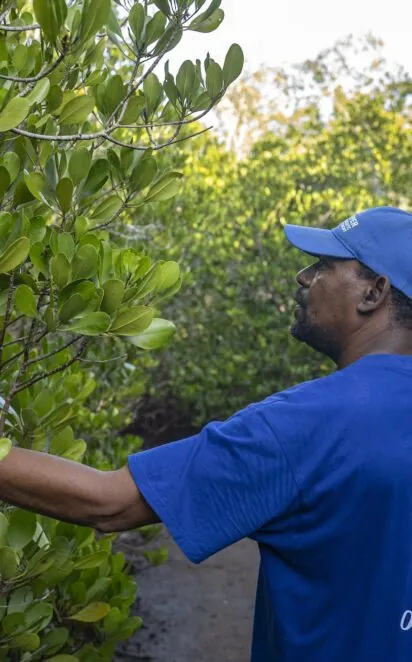
Mangroves Orpheus Island Australia Credit Matt Curnock Ocean Image Bank

From Principles to Practice: Advancing High-Quality Blue Carbon

From Principles to Practice: Advancing High-Quality Blue Carbon
Key Details

Project Lead: Conservation International
Supporting Partner: ORRAA, The Nature Conservancy (TNC), WEF Friends of Ocean Action
Financial Support:  The UK’s Blue Planet Fund
Location: Global
Project Timeline: Competed (2022-2026)

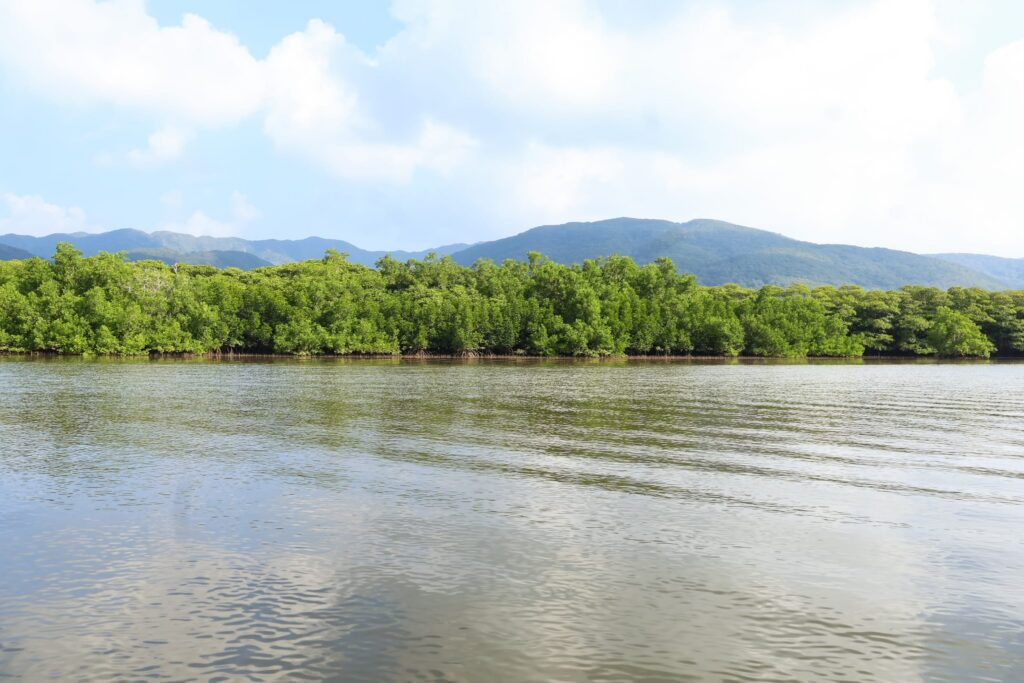
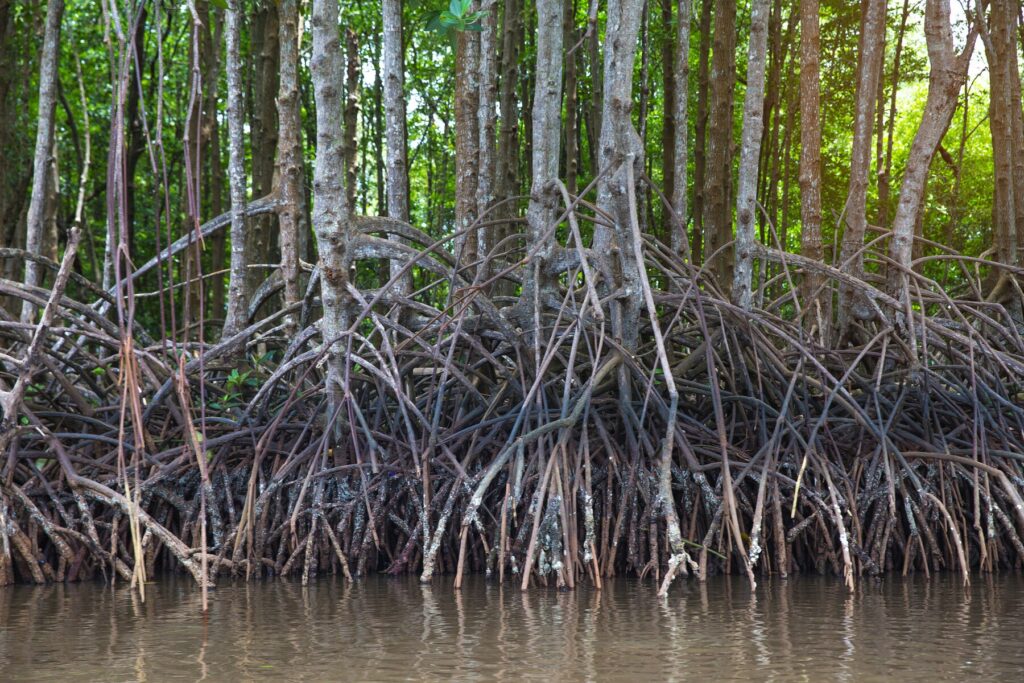
Mangrove forest, Iriomote
Summary

Both investors and project developers share responsibility for building a high-quality blue carbon (HQBC) market. Conservation International, ORRAA and other key partners, have created a High-Quality Blue Carbon Practitioners Guide – a complementary effort to the High-Quality Principles and Guidance launched in 2022, which serves as a strategic blueprint for establishing blue carbon projects and portfolios.

This Guide outlines how to achieve high-quality by connecting the criteria outlined in the HQBC Principles to specific project implementation approaches, along with the resources to apply them in practice. It also emphasises the role of various stakeholders, including Indigenous communities, local residents, NGOs, project developers, potential buyers, and investors.

Critically, the Practitioners Guide recognises that carbon credits are just one way to finance the restoration or conservation of blue carbon ecosystems. While the Guide highlights credit market, the aim and quality indicators are designed to be applied more broadly across any blue carbon project, regardless of the source of finance. 

The second edition of the Guide builds on a year of hands-on experience, including testing, user feedback, and workshops with project implementers. It results in a more practical and user oriented tool, with a structure that follows the stages of project development, from early concepts through planning to implementation.
Challenge

The carbon market, currently valued at over $1B annually, is expected to grow 15-fold by 2030. While blue carbon is still a small slice of the carbon market, it has the potential to boost investment in coastal protection and restoration.

However, the exponential growth in voluntary carbon markets over recent years has presented new opportunities and significant challenges. Insufficient voluntary market regulation and quality assurance mechanisms have increased instances of vulnerable communities unintentionally partnering with ill-equipped project developers, leading to reduced benefits for coastal communities.

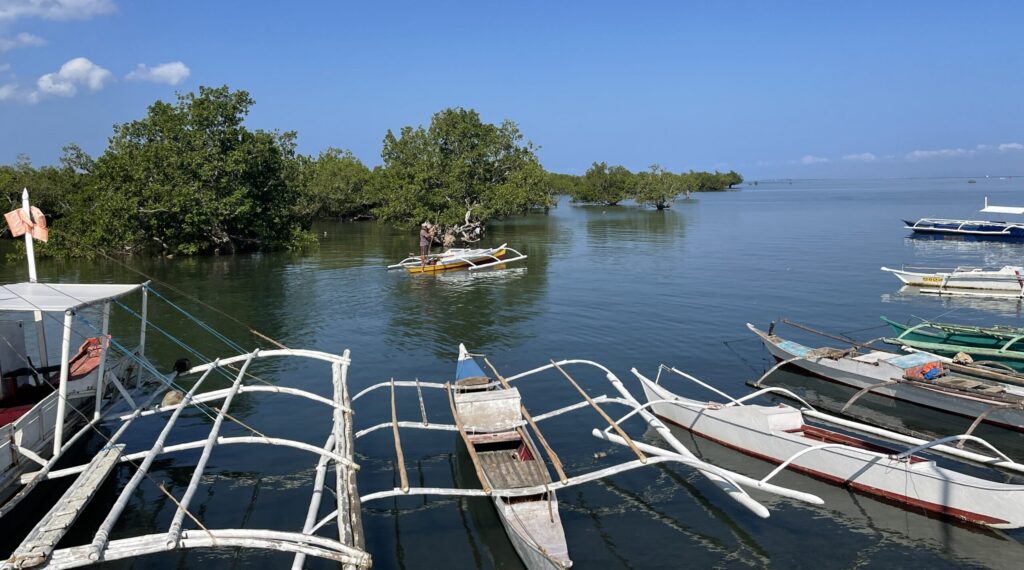
Seaweed farming dinghies
Solution

HQBC projects can mitigate climate risks by conserving and restoring lost and degraded coastal ecosystems which provide protection and the basis for improving local livelihoods. Investments must move beyond the “low-hanging fruit” to projects that exhibit high-quality, to maximise the potential of blue carbon habitats for climate mitigation, adaptation, biodiversity conservation, and human well-being.

The Practitioners Guide supports this by turning principles into practical guidance, with clear metrics that help relevant stakeholders determine where projects are starting and what they need to do to improve.

The Guide is grounded in real-world application through case studies that show how high-quality principles can be applied in different contexts. These include: Vida Manglar (Cispatá Bay, Colombia); Mikoko Pamoja (Gazi Bay, Kenya); West Africa Blue (Sierra Leone and Guinea); and The Solent Seascape Project (United Kingdom), among others. 

The growing use of the HQBC Principles is reflected in global initiatives such as the Mangrove Breakthrough, which is drawing on these principles to drive high-quality projects at scale, and in emerging standards such as the 2026 Symbiosis Coalition Quality Standard

Downloads