
Conservation International
Protecting Mangroves in the Dominican Republic through the Blue Carbon Exchange
Key Details
Project Lead: CI-Atabey Foundation
Supporting Partners: Ministry of Environment and Natural Resources (MIMARENA); Puerto Plata Destination Tourism Cluster; Coralia Environmental; Global Coralition.
Financial Support: The UK’s Blue Planet Fund
Location: Montecristi and Puerto Plata, Dominican Republic
Project Timeline/Status: Ongoing (2024-2027)


Project Summary
CI-Atabey Foundation is developing the Dominican Republic’s first Blue Carbon Exchange mechanism to conserve and restore the nation’s vital mangrove forests by selling high-quality blue carbon credits. The project will deliver tangible environmental outcomes while establishing a transparent, scalable model to unlock long-term finance and community benefits.
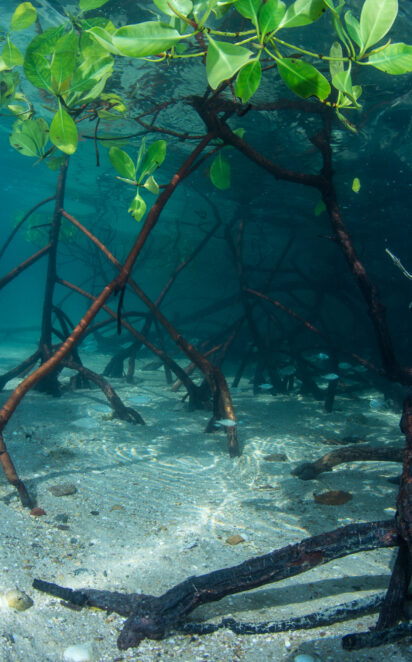
As natural carbon sinks, mangroves play a key role in combatting climate change, but they are increasingly under threat from climate change and human pressures. In response, this project set out to quantify the blue carbon captured by mangroves in the Dominican Republic, laying the groundwork to establish a formal carbon credit system and promote blue carbon as a powerful climate solution.
By adopting the High-Quality Blue Carbon (HQBC) Principles and Guidance and Practitioners Guide, the initiative not only supports the protection of mangroves but also contributes to global efforts to standardise blue carbon practices, delivering long-lasting environmental and socio-economic benefits to coastal communities.
Challenge
Mangrove forests in the Dominican Republic are increasingly threatened by coastal development, overfishing, climate change, and insufficient protection. In Montecristi and Puerto Plata, deforestation driven by agriculture, tourism, pollution, and unplanned urbanisation further jeopardises these ecosystems.
Conserving these essential carbon sinks will not only help mitigate climate change and protect biodiversity, but also offer socio-economic benefits to local communities, such as sustainable fishing, ecotourism opportunities, and natural protection against extreme coastal weather events.


Solution
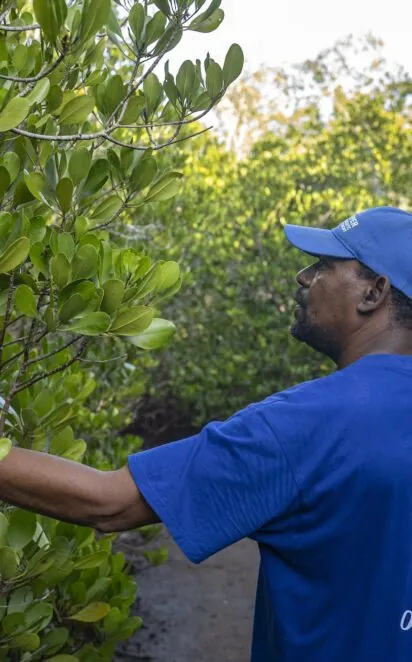
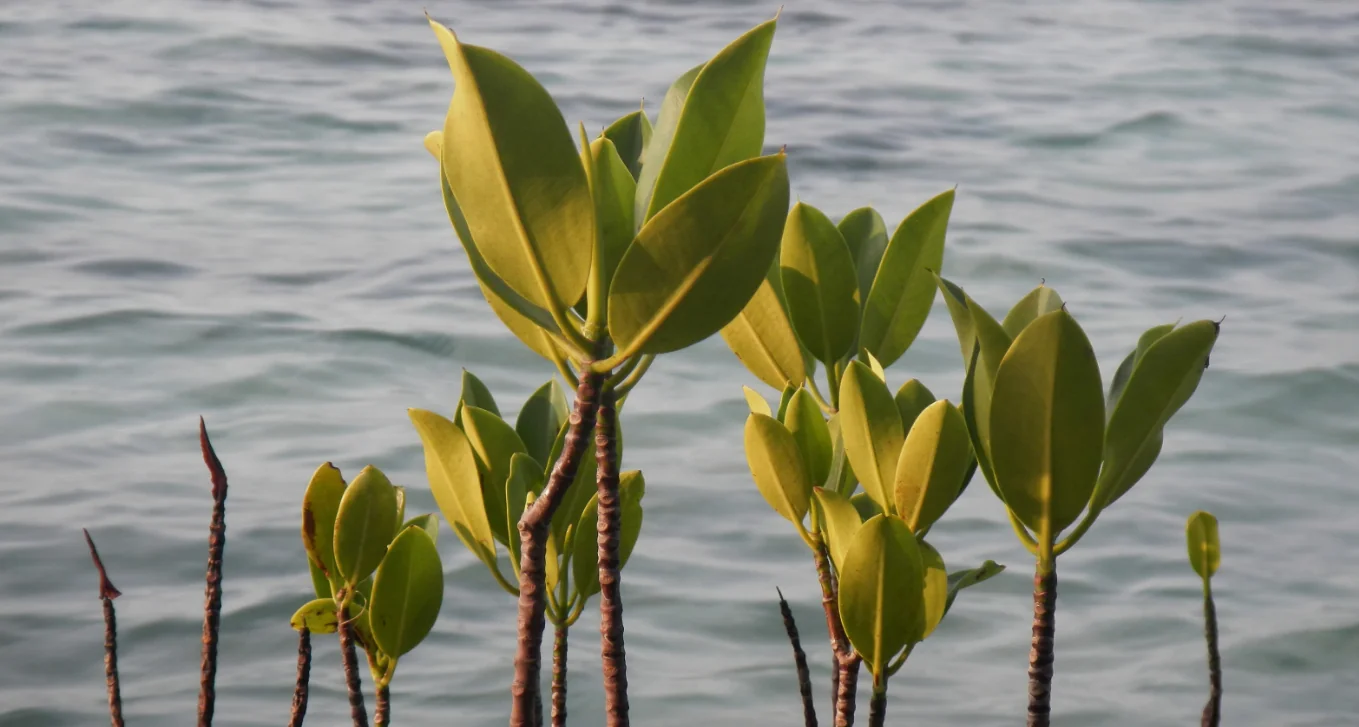
CI-Atabey is laying the groundwork for a blue carbon market in the Dominican Republic through mangrove restoration, carbon credit programme development, and the establishment of the institutional framework needed to support a national blue carbon market. It combines on-the-ground actions, such as restoring degraded areas through seedling planting and improving natural water flows, with systems to measure and validate carbon benefits. This approach helps to strengthen local capacity through training and community engagement, empowering coastal communities to actively manage and monitor local mangrove ecosystems. At the same time, the project is establishing the Dominican Blue Carbon Exchange Trust to ensure transparent governance, fair benefit-sharing, and investor confidence.
Scaling and Next Steps
The project will focus on turning its approach into a fully functional and sustainable model. Over the next phase, efforts will centre on completing the necessary steps for carbon certification, implementing restoration and conservation activities, and operationalising the Blue Carbon Exchange.

“Now we understand that protecting mangroves means protecting our fishing, our income, and our families’ future.” – José Luís Espinal, Vice President of the Asociación de Pescadores del Caño Yuti in Montecristi.
Image and video credits: CI-Atabey