
MAR Fund
A scalable project to build resilience in climate vulnerable coastal communities through sustainable seaweed farming
Key Details
Project Lead: Coast 4C Limited
Financial Innovation: Apps & Tech; Insurance
Supporting Partners: Oceanfarmr, Arribada
Financial Support: The UK’s Blue Planet Fund
Location: Philippines
Project Timeline: Ongoing (2024-2026)
Project Summary
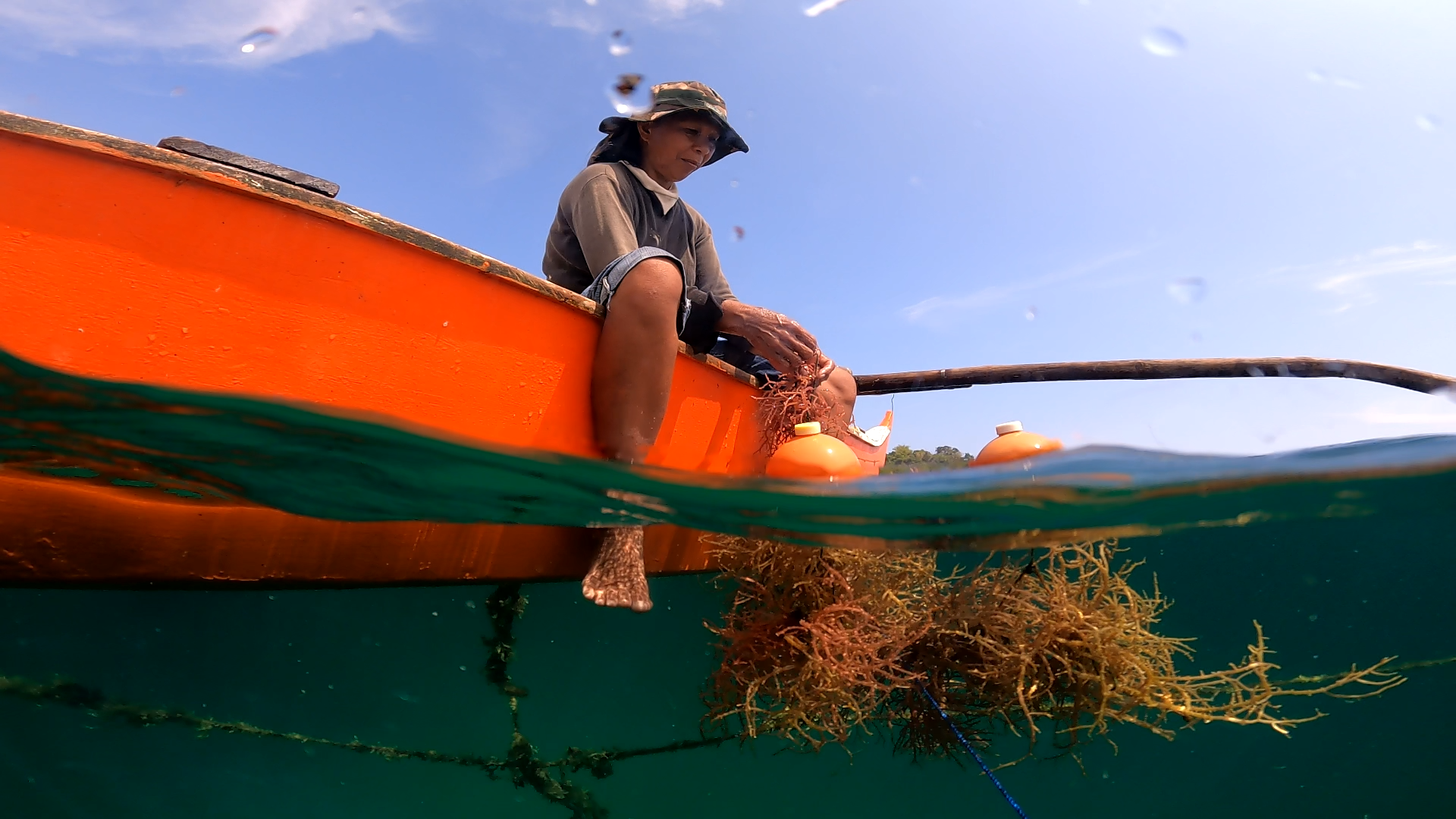
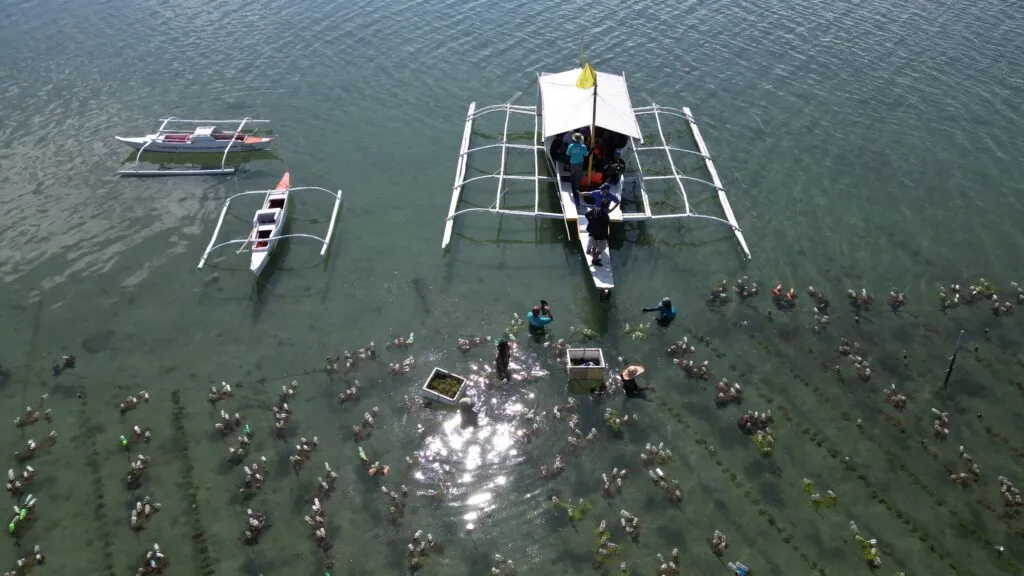
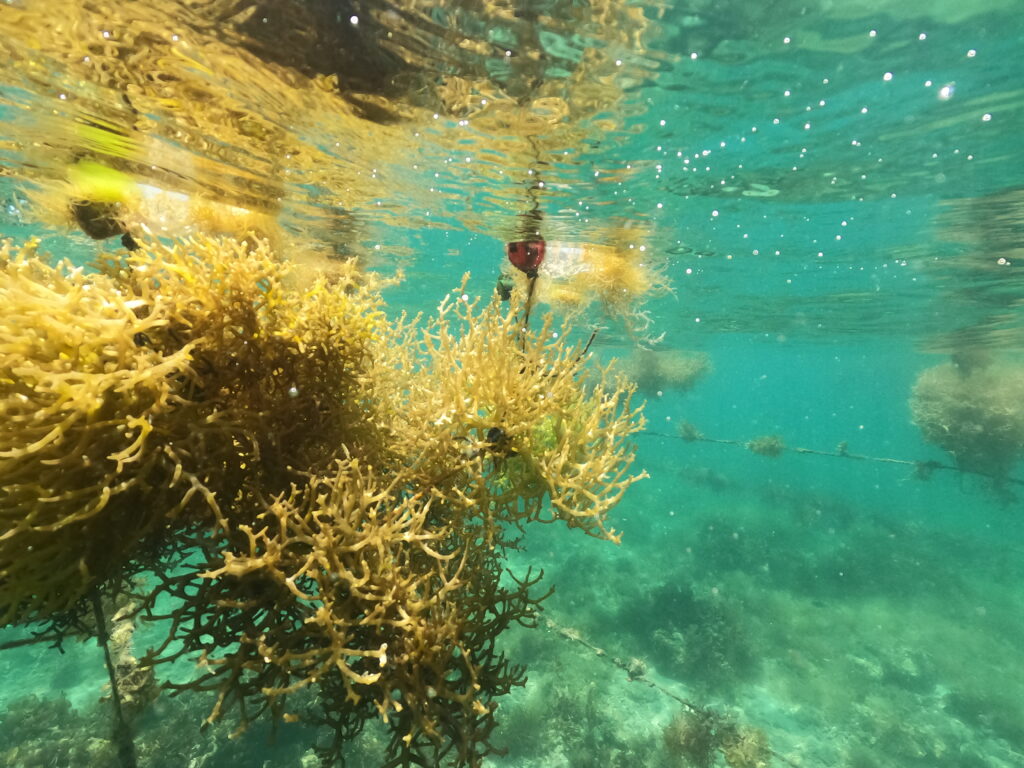
Coast 4C is helping coastal communities build resilience to climate change by promoting sustainable seaweed farming around marine protected areas (MPAs). Starting in eight MPAs where they already work, the project will provide farmers — 80% of which are women — with better equipment, high-quality seedlings, and improved farming techniques. Farmers will also help manage these protected areas, setting up zones where fishing is restricted to allow marine life to recover.
The project will track how these seaweed farms perform and measure the environmental benefits they create. This information will be used to design new financial tools, like farm finance and crop insurance, tailored specifically for seaweed farmers.
By helping farmers increase their harvests, providing access to financial tools and linking seaweed production to better marine protection, Coast 4C aims to create sustainable livelihoods and strengthen the country’s network of marine protected areas.
Challenge
Seaweed farming in small-scale fishing communities faces numerous risks beyond climate change, including limited access to quality seedlings, theft of seaweed and farming equipment, and harmful fishing practices. In the Philippines, seaweed farmers are among the most climate-vulnerable groups. Farming methods have barely changed in 60 years, held back by a lack of investment and a fragmented value chain.
In the absence of risk management services, unsustainable practices prevail. Seaweed farming methods and approaches that are more resilient to climate change are generally out of reach for small-holder farmers due to a lack of access to affordable finance.
Solution
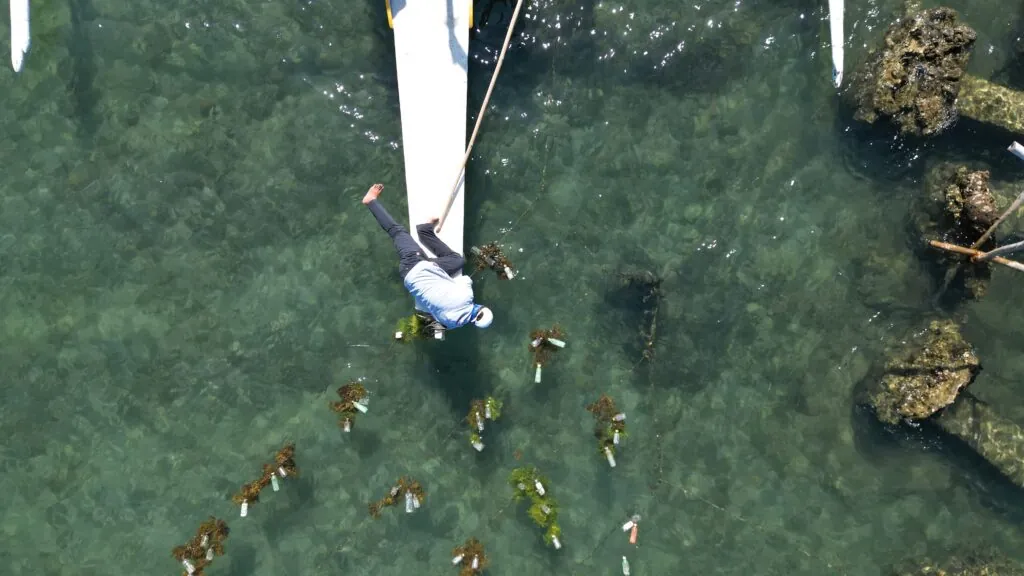
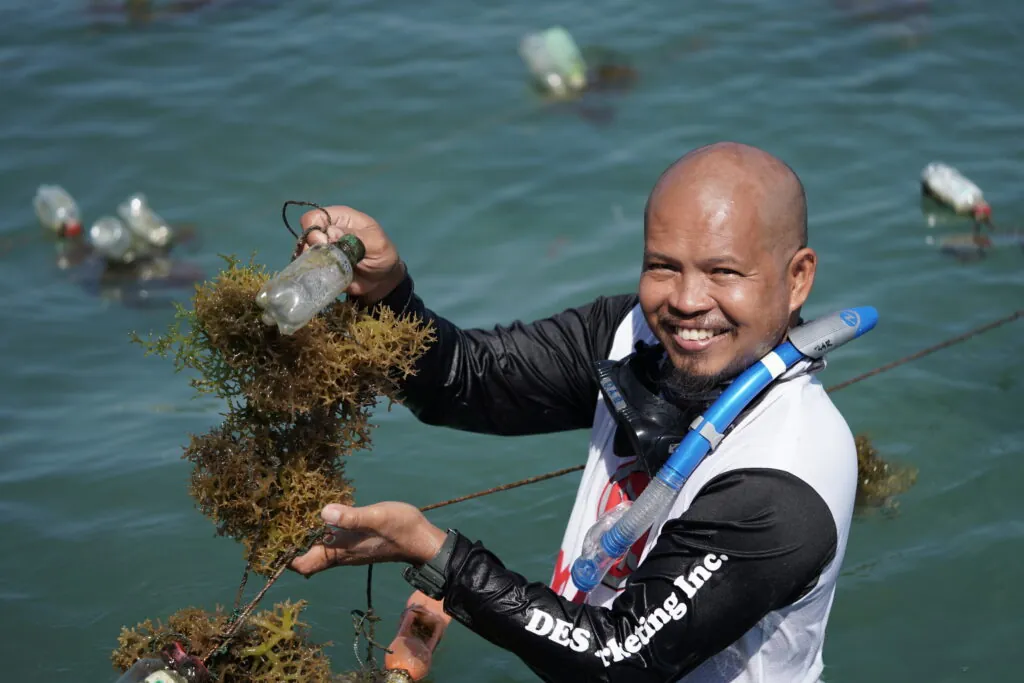
With ORRAA support, Coast 4C will provide 300 seaweed farmers with farm input packages to help boost resilience, reduce crop losses, and improve quality. These packages include high-quality seedlings from Coast 4C’s network of 18 nurseries, plus training and materials for climate-smart farming techniques. The support is delivered through local community savings groups, helping to build financial skills and strengthen social ties. This work is also built into local MPA management plans, making sure seaweed farming supports healthy ocean ecosystems.
Scaling and Next Steps
This project aims to show the value of investing in sustainable seaweed farming, starting in the Philippines and potentially expanding across Southeast Asia. It will measure the environmental benefits of combining seaweed farming with marine protected areas — like healthier ecosystems and improved water quality — and explore how these could be turned into things like biodiversity or nutrient credits. The approach could also be adapted for other types of aquaculture and fisheries, helping to spread best practices in ocean conservation.
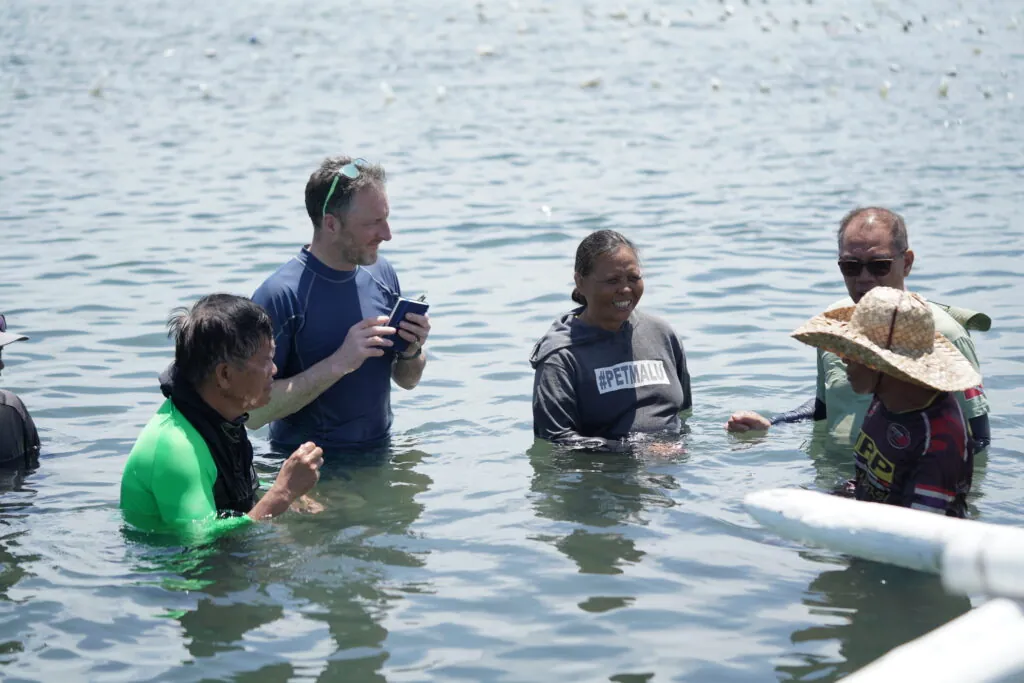
“Small-holder fishing communities are on the front line of climate change, biodiversity loss and pollution. We are delighted to be working with ORRAA to start scaling up regenerative seaweed farming, empowering these communities both to be part of the solution and to benefit from that solution.” – Nicholas Hill, Co-founder & CEO, Coast 4C