
Research on Gender Dynamics in Fisheries in the Global South
Key Details
Project lead: Stockholm Resilience Centre (SRC)
Supporting partners: The Pacific Community (SPC), Institute for the Oceans and Fisheries, University of British Columbia and Stanford Centre for Ocean Solutions.
Financial Support: The Government of Canada, the UK’s Blue Planet Fund and the US Department of State.
Location: Global
Project timeline/status: Ongoing (2020-2025)

Summary
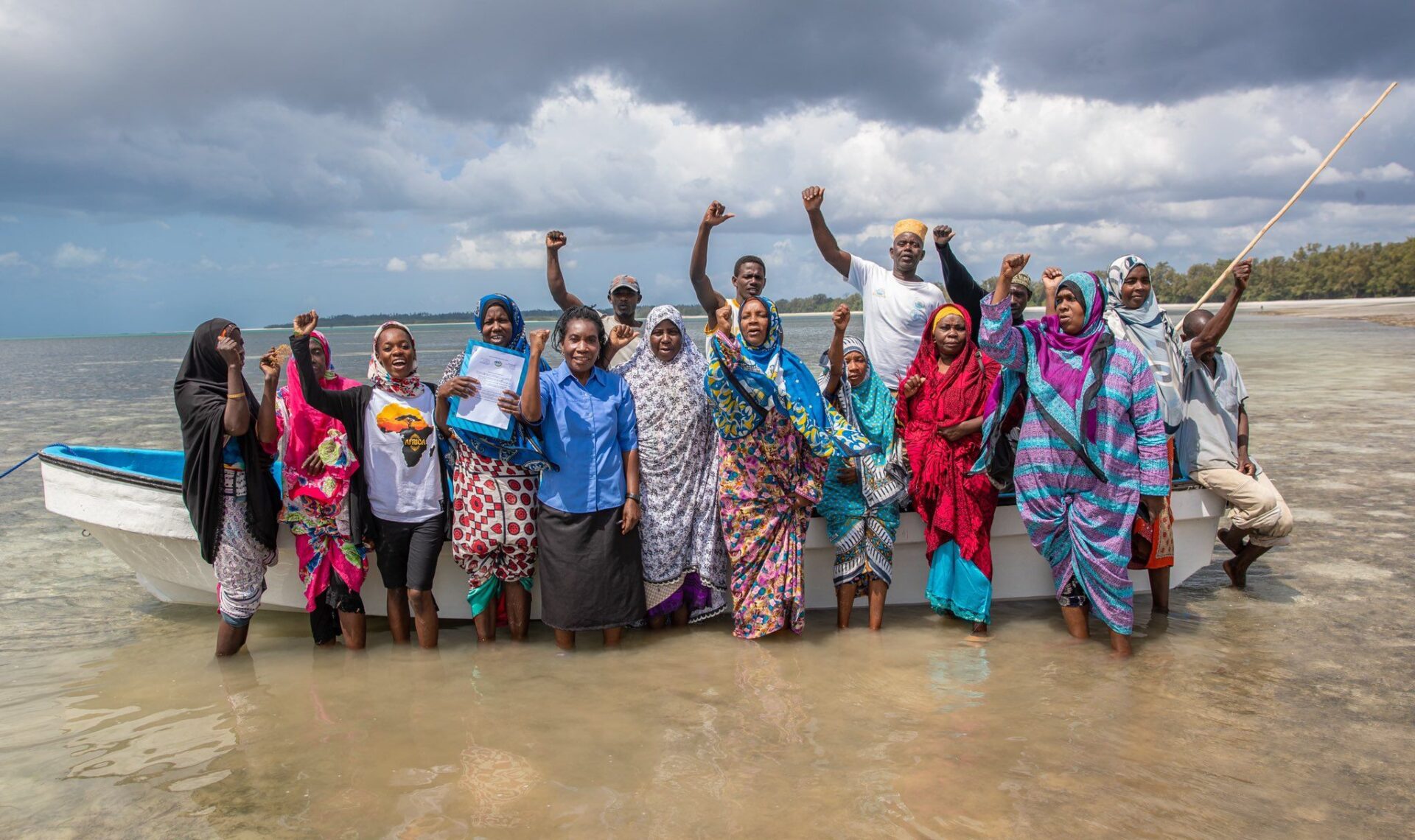
ORRAA is working with the Stockholm Resilience Centre (SRC) and partners to explore how gender roles, norms, and power relations influence the ways in which coastal communities experience risk and respond to challenges across the Global South. The project aims to amplify recognition of women’s contributions, shed-light on gender-related risks, and strengthen opportunities for women in the regenerative and sustainable blue economy.
Building on an initial report examining the gender dynamics of ocean risk in fisheries and coastal tourism, the research has expanded into a collaborative effort to create country-specific factsheets. These factsheets highlight women’s contributions in fisheries, identify systemic gender gaps, and outline opportunities to support women’s leadership and well-being. The project also includes an analysis of how gender is addressed in fisheries governance, identifying gaps in gender equity commitments and examples of inspiring progress.
Challenge
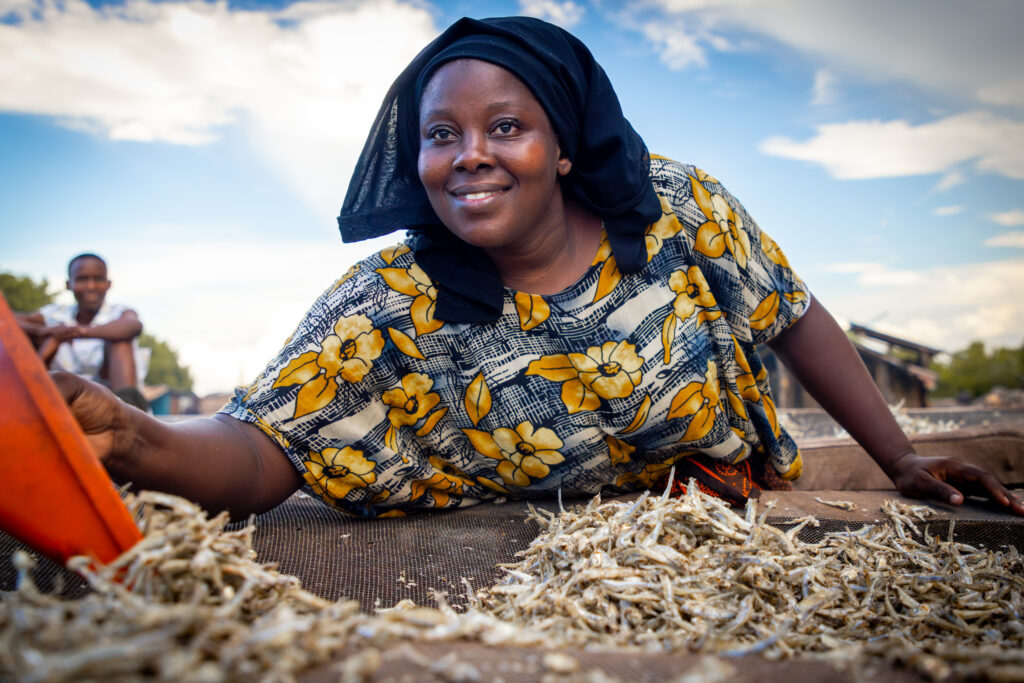
Women represent half the global fisheries workforce, contributing across value chains -catching, processing, and selling fish – while feeding families, supporting livelihoods and maintaining cultural traditions. Yet, their essential work remains largely overlooked and undervalued due to entrenched norms and limited policy attention. Climate change, overfishing, and socio-economic and political shocks are intensifying pressures on fishing communities, with women often facing disproportionate barriers – from exclusion in decision-making to limited training and access to resources. Despite these barriers, women are often among the first to innovate, diversify livelihoods, and strengthen community resilience.

Solution
By gathering gender-focused evidence, the project aims to :
- Elevate recognition of women’s contributions in the fisheries sector
- Connect what we learn from fisheries to broader issues of human rights and gender equity, to help create real change and support women’s leadership in fisheries governance
- Collaborate, share learnings and co-develop tools and approaches for collective action.
Scalability and Next Steps
This project shines a light on the vital roles women play in fisheries and calls for a shift in how they are seen – from being overlooked, to being recognised and supported as key contributors and leaders. It offers governments, funders, and civil society strong evidence and practical guidance to improve governance, shape investments, and take action that promotes gender equality and builds more resilient, fair, and sustainable ocean futures.
Building on this work, the project has received new funding to develop factsheets for Mexico and Chile, create visual stories about climate adaptation, and host a high-level policy dialogue to advance gender-responsive approaches in fisheries and climate action.
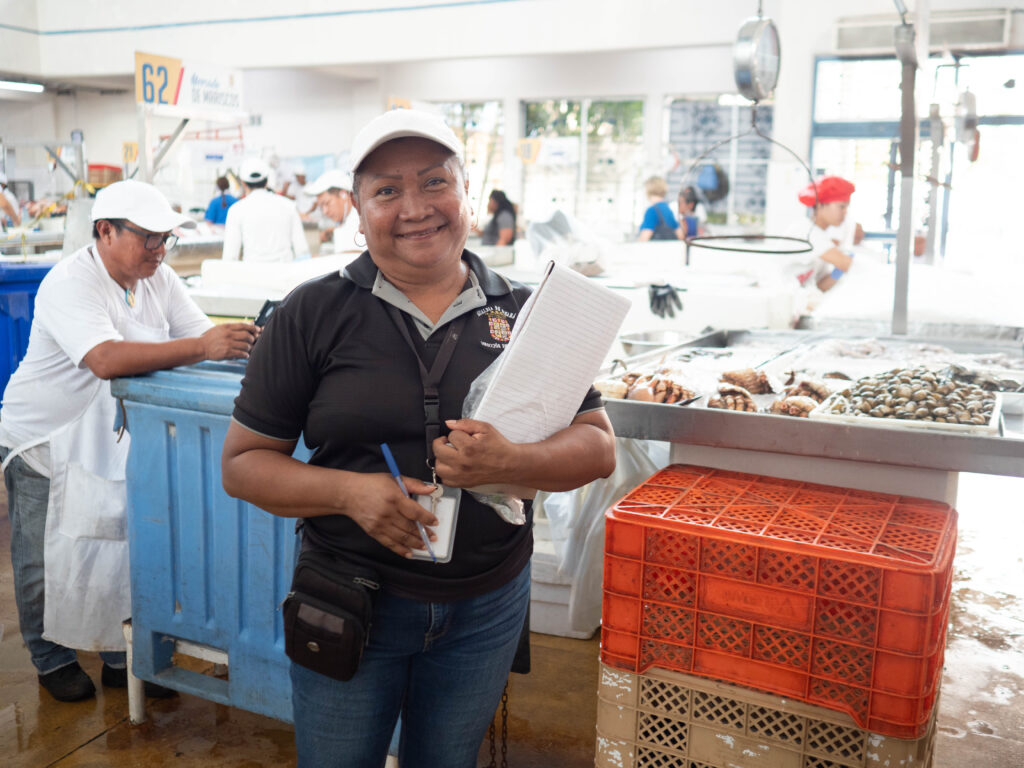
“Half of the fisheries workforce has been operating in the shadows. Bringing women into the light and investing in their leadership isn’t just about equity – it’s about unlocking the full potential of our regenerative, sustainable and just blue economy.” – Colette Wabnitz, Stanford Center for Ocean Solutions, Stanford University, USA.