
Unlocking a booming market: A youth-led seaweed revolution in East Africa
In 2016, 13 students at Tanzania’s University of Dar es Salaam came together, driven by their shared passion for the Ocean. As young, knowledge-hungry scientists, they were frustrated by the overwhelming lack of opportunities to contribute to the field of marine conservation and support the coastal communities many of them had grown up in. Together, they co-founded Action for Ocean (AFO), previously known as Aqua-Farms Organization, an NGO dedicated to bridging the gap between marine conservation and sustainable local livelihoods.
Grounded in the belief that people and planet are not in competition but intrinsically linked, AFO sets itself apart by operating as a community-led organisation, staffed by young professionals, local environmental stewards and Tanzanian scientists. It is deeply rooted in place, entrusting the Ocean’s protection to those living on its frontlines.
A spiralling coastal risk crisis
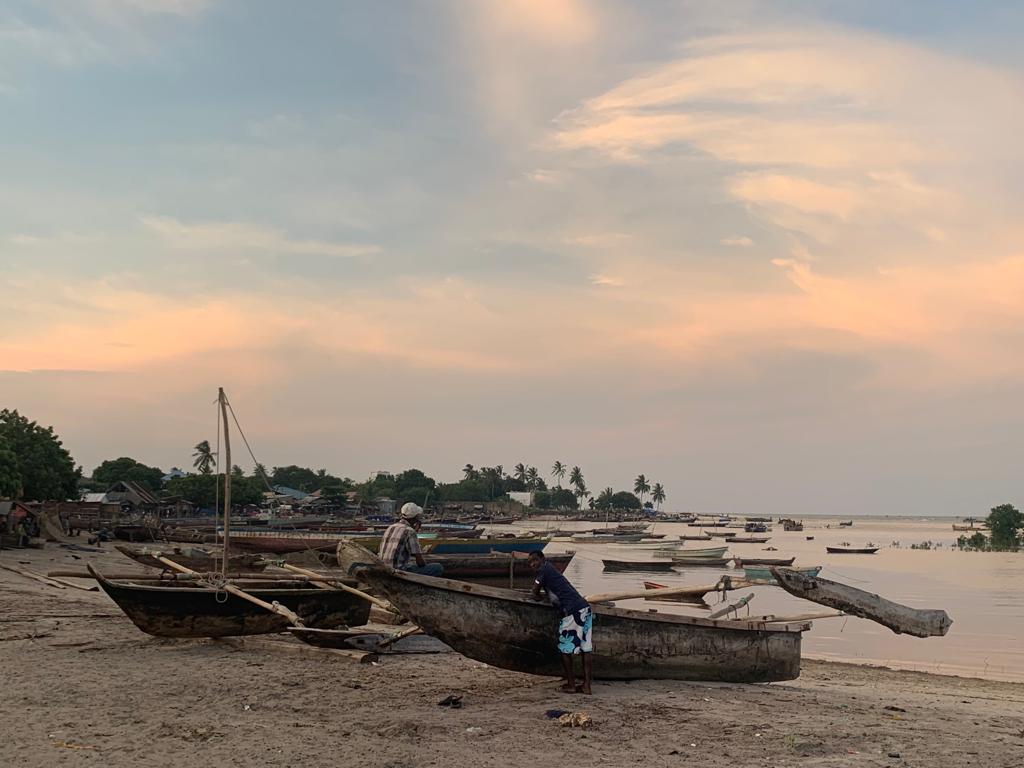
Tanzania’s coast is facing risks on three fronts.
First, reefs, mangroves, and seagrasses are being stripped faster than they can recover. Second, overfishing and the use of destructive gear is removing marine life. Third, ocean heating and an increasingly volatile ocean are threatening lives and livelihoods.
This is more than an environmental problem. When the ocean empties, coastal families lose their food, their incomes, and the natural barriers that shield their villages from extreme storms. With fewer options, fishing and harvesting intensify, while exposure risks magnify, catalysing a cyclical crisis that undermines the resilience of coastal communities and the economies that support them.
Seaweed farming was held up as a solution, but the seaweed market was difficult to access, and even harder to predict. Prices tended to be low, yet the costs of inputs remained high. This imbalance was compounded by the persistent threat of extreme weather, which could devastate the livelihoods of an entire community in a single day. In response, AFO began supporting more sustainable seaweed farming practices focused on developing more resilient coastal communities. ORRAA has been supporting them.
Among AFO’s earliest ventures was a collaboration with the women-led organisation Sea PoWer, which received mentoring, training and initial investment through ORRAA’s Ocean Resilience Innovation Challenge (ORIC), funded by the Swiss Re Foundation and the UK Government’s Blue Planet Fund. The project introduced microcredit and savings schemes, training 12 local women in sustainable seaweed farming methods including the use of deep water tubular nets where this pilot offered understanding of variances of productivity due to condition influence in between shallow and deep water.
One of the women positively impacted by this project was Fatma Khamis Mussa, a member of the “Wema Hauozi” group in Makangale, Pemba, who with new equipment and training increased her farm size and income. But things took a turn, when, in May 2024, Cyclone Hidaya hit the Southern Tanzanian coast. It was the strongest storm of its kind ever recorded in the country, bringing fierce winds of 137mph, heavy rains, and massive waves.
For coastal villages, the damage was devastating but seaweed farmers were hit the hardest. The violent waves tore apart their shallow-water farms, ripping up the ropes and sweeping months of hard work out to sea. To make matters worse, the nonstop rain flooded the beaches where farmers usually dry their seaweed, rotting the little bit they had managed to save. Because more than 80% of these farmers are women, this single storm wiped out the main income used to feed their families and sustain their livelihoods.
AFO refused to give up. Undeterred, AFO continued to work with the community to recover and improve seaweed farming techniques that could transform this historically unreliable business into a viable, sustainable income, serving as an improved alternative to exploitative fishing practices.
Scaling up through the Africa Fair Seaweed Finance Facility
This is where the application of innovative finance comes in. Firm in the belief that seaweed could offer a more sustainable income stream and with further support from ORRAA, they developed a new approach: the Africa Fair Seaweed Finance Facility (AFSFF).
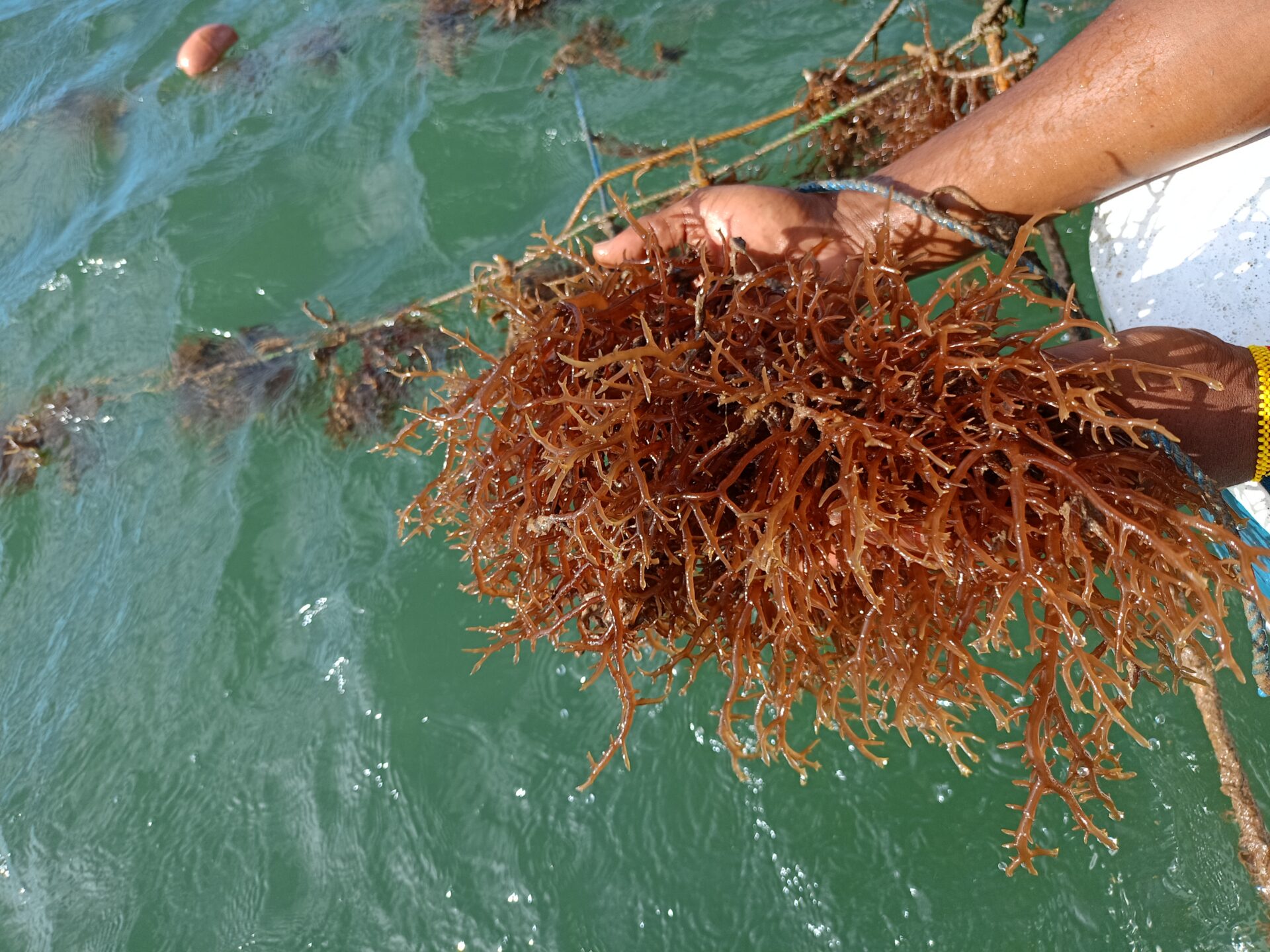
The AFSFF operates an innovative blended-finance and service-based model. On the ground, it provides local farmers with seaweed farming equipment, microloans, and best management practices training to develop high yield seaweed farms. It then provides market access and aggregation through offtake agreements with buyers like the Tanzania Seaweed Café, stabilising prices and removing the middleman. Simply put, the facility replaces predatory middlemen with an innovative, service-based model that de-risks the entire seaweed value chain from the farm to sale.
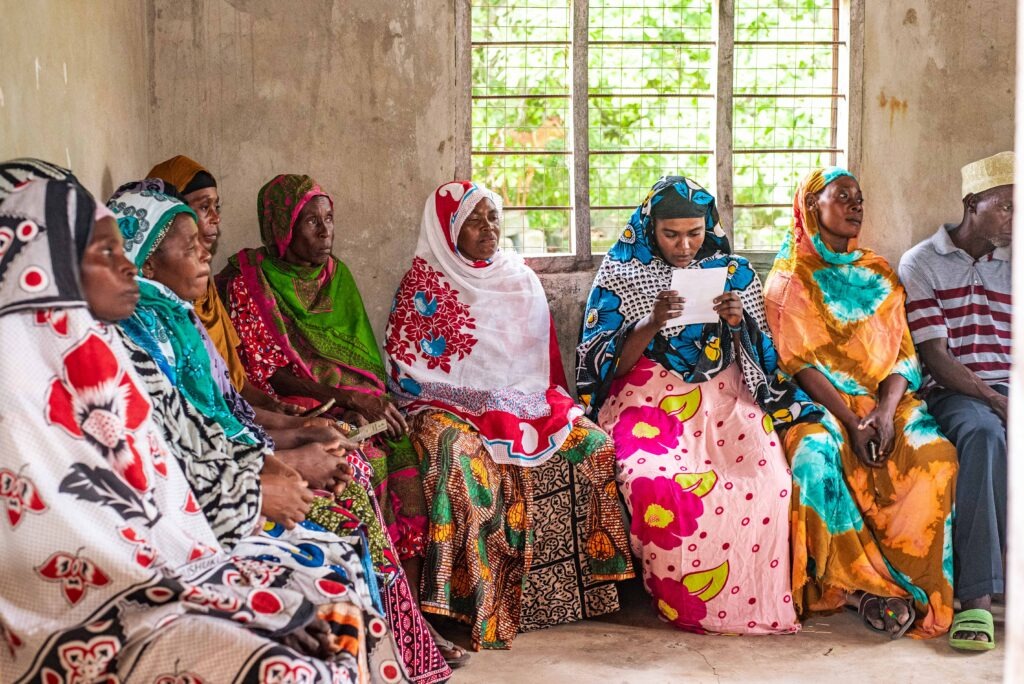
Funds are managed through a blended finance facility which will mix concessional funding such as grants and interest-free loans with commercial investments to minimise the risk to investors while promoting sustainable seaweed farming methods and connecting the dots between producers and buyers.
The main facility will serve multiple smaller, country-level facilities, operated by local partners in their local contexts. It pools investment from different sources, before deploying the funds to these country-level facilities through structured financing agreements, ensuring that farmers receive the resources they need no matter their national market or regulatory environment. Farmers repay financing through the sale of harvests at fair and reliable market prices, creating predictable income streams and reinforcing trust in the system.
Making waves in Tanzania and Kenya
While the broader facility continues to develop, its approach is already working on the ground. As of 2026, the AFSFF is supporting two country-level facilities, with AFO managing operations in Tanzania while Mawimbi, a local partner committed to the eradication of coastal poverty, manages separate operations in Kenya, tailored to the country’s context.
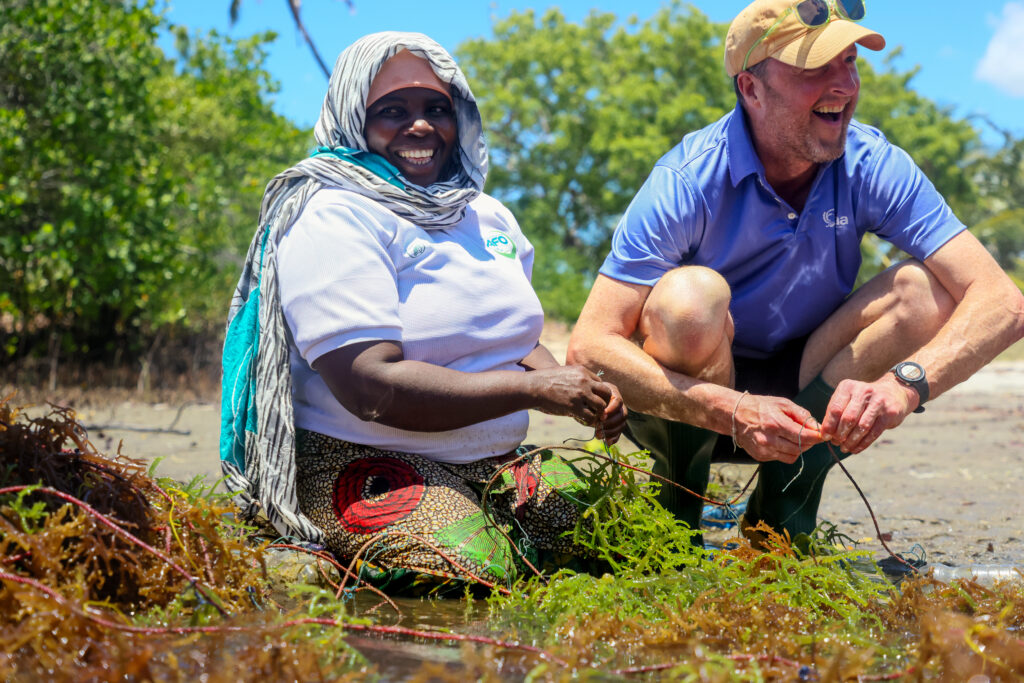
In Tanzania, AFO supported the formation and strengthening of 35 farmer groups in the Tanga region. By supporting over 400 farmers, 70% of whom are women, with training on best farming and management, access to micro loans, and connections to formal financial institutions. Initial results have shown a significant increase in production capacity from 10-30 to 35-100 ropes, increasing household incomes by 41%.
For women like Saumu Matata, in Mkinga DC from Ukweli na Uwazi group, this income allowed her to save up and build a new larger house for her family.
Many locations have also established village savings loans associations (VSLAs) to encourage farmers to pool funds that feed back into the community, providing capital for local entrepreneurs to start other eco-friendly businesses that further reduce the fishing burden. In Mkinga, Tanga, alone, VSLA community groups have mobilised over 70 Million Tanzania Shillings ($26,666) in pooled savings.
Meanwhile in Kenya, Mawimbi began with an initial pilot of 40 seaweed farmers, who were soon earning double the region’s minimum wage. Thanks to their new salaries, the farmers were able to comfortably support themselves and an average of 10 family members, empowering around 440 people in total with money for nourishment, school fees and healthcare. Mawimbi has also started work to expand to an additional location in Kwale country.
To Mozambique and beyond
But it doesn’t stop there. Since its foundation, AFO has been working several steps ahead to ensure the sustainability and scalability of its achievements. Thanks to these efforts, additional funding has now been secured from Flotilla, Global Affairs Canada, and the DOEN Foundation.
The extra funds, combined with new buyer-producer agreements, will enable the AFSFF to further expand its operations in Tanzania and Kenya, and position itself to access commercial capital in the future. AFO is also collaborating with partners to expand AFSFF to Mozambique.

What began as a passion for the Ocean, shared among thirteen young students, is now accelerating the seaweed sector in East Africa.
But it’s more than that. The AFSFF is applying innovative financing solutions to create new opportunities and transform lives, empowering local people to work with the Ocean rather than fight against it. This early momentum paves the way for long-term, scalable impact far beyond its original shores.